Rig & Equipment Coverage for Spray Foam Contractors: Inland Marine Explained
By Josh Cotner
Rig & Equipment Coverage for Spray Foam Contractors: Inland Marine Explained
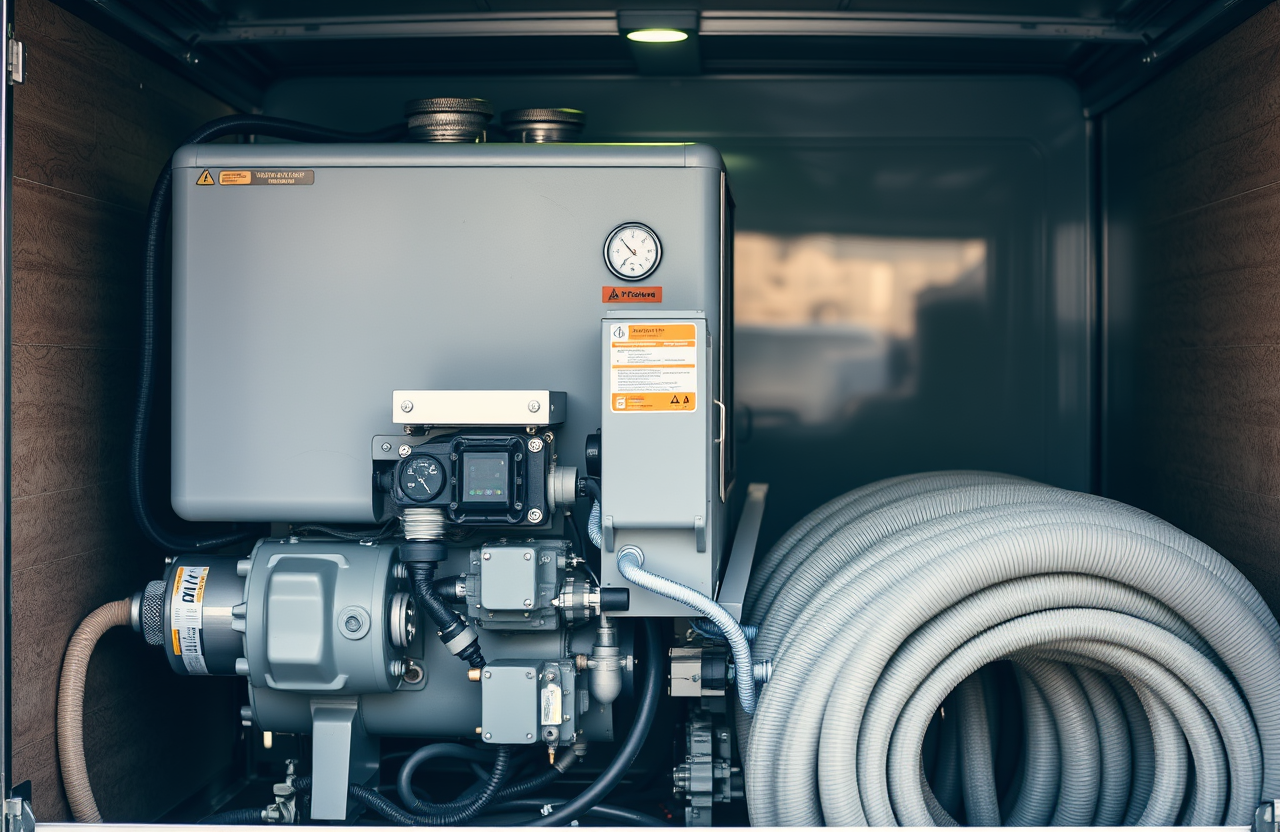
Your rig is the business. Take away the proportioner and it doesn't matter how many jobs are on the books — nobody's spraying foam tomorrow. That's what makes inland marine coverage different from every other line on your policy checklist. It's not a box to check for a GC. It's the thing standing between "we had a bad week" and "we're not working until the new rig ships."
Most of the contractors I talk to about rig coverage aren't underinsured because they skipped it — they're underinsured because they never looked closely at how the policy actually pays a claim. That's the conversation worth having before something happens, not after.
Replacement cost vs. ACV: the decision that actually matters
Here's the distinction that decides whether a claim gets you back to work or leaves you writing a check out of pocket: how does your policy value the equipment when it's stolen, totaled, or destroyed?
Some inland marine forms pay actual cash value — ACV. That means the carrier pays what your equipment was worth the day before the loss, after depreciation. A several-year-old proportioner at ACV might pay somewhere in the range of 40-60% of what a brand-new one costs. The rest is on you.
Other forms pay replacement cost — what it actually costs to buy a new unit today, full stop.
On paper those two forms can look almost identical. Same rig, same limit, similar premium. The gap only shows up the day you file a claim, and by then it's too late to change anything. If you're running a single rig and depend on it for every job on the schedule, that gap isn't abstract — it's the difference between a check that gets a new proportioner on a truck this week and a check that covers less than half of one, with you financing the rest while jobs sit on hold.
If you don't already know which one your current policy uses, that's worth finding out before you need to.
The scenario nobody wants: rig theft off the trailer overnight
Picture the ordinary version of a bad week. Crew wraps a job Friday, leaves the trailer parked at the site or behind the shop overnight, and Monday morning the proportioner and hoses are gone. No dramatic story — just an unattended trailer and someone who knew what they were looking at.
This is, in practice, the most common way spray foam contractors lose equipment. Not fire, not a rollover — theft off a jobsite or an overnight trailer.
And this is exactly where policy wording quietly decides the outcome. Some inland marine forms specifically exclude theft from an unattended trailer — meaning if nobody was physically present when it happened, the claim gets denied on that basis alone, regardless of your limit or your premium. Other forms cover it without that carve-out. Same trade, same risk, completely different result, and the only way to know which one you have is to read the theft language directly instead of assuming "theft coverage" means what it sounds like it means.
If your rig lives on a trailer between jobs — and for most spray foam operations, it does — this single clause is worth more scrutiny than almost anything else in the policy.
Breakdown coverage: when the rig fails on its own
Theft and collision aren't the only ways a rig goes down. Proportioners and reactors are mechanical equipment, and mechanical equipment breaks — a pump seizes, a heater component fails, something inside the unit just quits with no accident involved at all.
Standard inland marine coverage is typically built around external causes of loss: theft, fire, collision, vandalism. A pure mechanical failure of the proportioner itself often falls outside that scope unless there's a specific breakdown endorsement attached.
Some inland marine carriers offer that endorsement. Others don't write it at all. For an operation running one rig, that's a real gap worth closing — a mechanical failure with no breakdown coverage still means the same outcome as a theft with no coverage: the rig is down, the crew is idle, and nothing about your policy helps get it back running faster. Worth asking directly when you're comparing markets, because it's not something you'll notice is missing until the pump fails.
One rig vs. a fleet: scheduling equipment individually
If you're running multiple rigs, or you've added high-value equipment over time — a second proportioner, specialized heaters, additional trailers — a single blanket limit covering "equipment" as one lump sum can undersell what you actually own. Blanket limits are convenient, but they don't always reflect the true replacement value of each individual piece, and in a claim, that mismatch works against you.
Scheduling each rig and major piece of equipment individually — with its own stated value — means a loss on one unit gets valued and paid against what that specific unit is actually worth, not squeezed against a shared ceiling that was sized for the fleet as a whole. It takes a little more work upfront to get the schedule right, but it's the difference between a claim that reflects reality and one that gets capped by a number that was never really about that piece of equipment in the first place.
What you can do now
You don't need to guess at any of this. Pull your current inland marine policy and check three things: whether your valuation is ACV or replacement cost, whether theft from an unattended trailer is covered or excluded, and whether a breakdown endorsement is attached. If you're running more than one rig, check whether they're scheduled individually or lumped under one blanket limit.
If you don't like the answers, or you're not sure how to read the form language, that's exactly what we're here for. We compare rates and forms across multiple inland marine markets for spray foam operations specifically — so you're not guessing at how your rig is actually valued the day you need it to be.
Need this coverage for your spray foam business?
Get a real quote in about 15 minutes — we shop A-rated specialty contractor markets.